Vice President Biden has a nasty habit of attaching his name to oddball foreign policy gambits. The last "Biden Plan" was the scheme to de facto federalize Iraq on sectarian lines, a "solution" that almost no Arab Iraqis were interested in and wishfully assumed the US could completely disrupt the Iraqi balance of power and withdraw its troops, with no consideration for the violence that might erupt between Iraqis and against Americans redrawing their country's maps.
Biden's previous foreign policy record included backing the 2003 Iraq War in the first place, while opposing the 1991 Gulf War. He has also taken credit for ideas that, in retrospect, one might not want to take credit for - coming up with the idea of the USA PATRIOT Act (years before 9/11), or in the VP debates, claiming sending NATO into Lebanon, a policy it does not seem he actually supported in 2006 that nevertheless would have been disastrous.
So, I can't help but be skeptical when he advocates the George Will strategy in Afghanistan. American troops will pull out, while drones and special forces will attack al Qaeda in Afghanistan and Pakistan. Once again, Biden prefers to ignore the actual political dynamics of the region. To Biden, everything comes down to a simple calculus - we spend $30 in Afghanistan for every $1 we spend in Pakistan. The ratio must change, because Pakistan is the greater threat.
Biden argues sending troops and conducting counterinsurgency in Afghanistan is simply throwing good money after bad. What is unclear is how this would be any different in Pakistan. American military aid to Pakistan has been notoriously squandered on weapons systems to use against India, and is in danger of simply fueling the country's rampant corruption. Biden continually assumes that factions can be bribed to oppose their geopolitical interests. Just as a central government to distribute oil money would keep allow Iraqi federalism to function without violence, aid to Pakistan will blind them to their national interest in a) supporting the Taliban to provide strategic depth and b) using defense spending to deter India.
What most advocates of drawdown do not acknowledge is that Pakistan's incentive to make peace with the Taliban and return them to power in Afghanistan increases if the US leaves a power vacuum. This means that the ISI will have increased incentive to protect Taliban and al Qaeda targets from US airstrikes, because most of the figures on our hit list will be potential Pakistani allies in a reconstituted Taliban. Why Pakistan would tolerate a necessarily heightened tempo of drone strikes, let alone the special forces raids that resulted in Pakistani guards firing on US helicopters?
I understand the point of the Afghan war was to deny al Qaeda a safe haven. However, the cooperative dynamic the Biden plan is dependent upon is less likely to play out in the drawdown it entails. Shifting operations to raids and drone strikes would not make the war "easy," and ultimately, the diplomatic challenges of counting on Pakistani cooperation while eroding our partnership through violations of their sovereignty and counteracting their interest will give way to the South Asia of the '90s - Pakistan and India pursuing politics as usual, Afghanistan in chaos or under Taliban rule, and al Qaeda extant but pestered by the occasional drone strike. Perhaps a bearable scenario, but hardly a desirable one.
Showing posts with label Terror. Show all posts
Showing posts with label Terror. Show all posts
Friday, October 2, 2009

Thursday, August 27, 2009
Don't worry, it's always been like this
Terrorism and non-state actors are the biggest threat to world security today. The state system is in decline. Everything as we know it is changing irrevocably, and probably for the worse.
Such is the typical line of pessimist thinkers on today's international scene, and probably one this blog's writings strays into frequently. Critically, these trends point to a revolution in international affairs and the state system in particular. P. Michael Phillips, an Army liaison to the Pakistani armed forces, begs to differ. In "Deconstructing our Dark Age Future," he argues that yes, terrorism, mercenaries, and other non-state groups are problems and sovereignty is not so universally strong as we might prefer - but these are the same problems we've been dealing with all along.
The "Westphalian system" - a term theorists and use to describe an international system consists of sovereign, legally equal states whose internal affairs are not subject to intervention from others - is really a model, a way the world could work and the way we would like it to. In fact, many states are not absolutely sovereign, exercising supreme authority in their territory (Somalia), legally equal (Iraq) or immune from external intervention (Georgia). Alarmists assert these trends are dismantling our current system. Phillips instead shows how these problems have been endemic to the state system since Westphalia, and instead of overreacting to insoluble flaws to our model, we should change our model and our strategy accordingly. The article is well worth the read and only 17 pages.
I am inclined to agree with Phillips for the most part. Placing the Peace of Westphalia as the beginning of the state system overstates the importance of international law at the expense of power (Are not Thucydides and Machiavelli relevant today?), providing historical legitimacy for the expansion of international law's power, culminating in the League of Nations and UN. Unequal sovereignty and international interventions did not stop with Westphalia and have been part of the international system up until today.
However, I do think that the role of state-sponsorship in terrorism is more ambiguous than the article acknowledges. Like terrorism and "hostile non-state actors" in general, terrorism without state sponsorship has been with us for a long time too. Irish terrorist groups often collected money from diaspora, in the manner al Qaeda collects money from donors in Saudi Arabia. Many insurgencies and terrorist groups have local goals and do not attempt attacks on a Far Enemy. Over-attributing terrorism to state sponsorship has already lead to erroneous ideas about foreign policy (the supposed al Qaeda-Iraq link) and may still lead to overly bellicose responses in the future (Iran).
Sovereignty, like the Westphalian model, is "true" only insofar as they are supported by power. The power of the United States, perhaps, is in relative decline, and thus our ability to check breaches of sovereignty is too. But we have worked against sovereignty as often as we have tried to support it. We too use foreign intervention and take advantage of militia groups, like the Sons of Iraq. It is likely we will continue to undermine sovereignty in the future, as all strong (and truly sovereign) states can and sometimes must do. While we may not be entering a Dark Age, there are still plenty of questions about sovereignty, terrorism, and the role of the state left to answer. Just because answering them might change our preconceptions about the world, though, does not mean they change how the world itself works.
Such is the typical line of pessimist thinkers on today's international scene, and probably one this blog's writings strays into frequently. Critically, these trends point to a revolution in international affairs and the state system in particular. P. Michael Phillips, an Army liaison to the Pakistani armed forces, begs to differ. In "Deconstructing our Dark Age Future," he argues that yes, terrorism, mercenaries, and other non-state groups are problems and sovereignty is not so universally strong as we might prefer - but these are the same problems we've been dealing with all along.
The "Westphalian system" - a term theorists and use to describe an international system consists of sovereign, legally equal states whose internal affairs are not subject to intervention from others - is really a model, a way the world could work and the way we would like it to. In fact, many states are not absolutely sovereign, exercising supreme authority in their territory (Somalia), legally equal (Iraq) or immune from external intervention (Georgia). Alarmists assert these trends are dismantling our current system. Phillips instead shows how these problems have been endemic to the state system since Westphalia, and instead of overreacting to insoluble flaws to our model, we should change our model and our strategy accordingly. The article is well worth the read and only 17 pages.
I am inclined to agree with Phillips for the most part. Placing the Peace of Westphalia as the beginning of the state system overstates the importance of international law at the expense of power (Are not Thucydides and Machiavelli relevant today?), providing historical legitimacy for the expansion of international law's power, culminating in the League of Nations and UN. Unequal sovereignty and international interventions did not stop with Westphalia and have been part of the international system up until today.
However, I do think that the role of state-sponsorship in terrorism is more ambiguous than the article acknowledges. Like terrorism and "hostile non-state actors" in general, terrorism without state sponsorship has been with us for a long time too. Irish terrorist groups often collected money from diaspora, in the manner al Qaeda collects money from donors in Saudi Arabia. Many insurgencies and terrorist groups have local goals and do not attempt attacks on a Far Enemy. Over-attributing terrorism to state sponsorship has already lead to erroneous ideas about foreign policy (the supposed al Qaeda-Iraq link) and may still lead to overly bellicose responses in the future (Iran).
Sovereignty, like the Westphalian model, is "true" only insofar as they are supported by power. The power of the United States, perhaps, is in relative decline, and thus our ability to check breaches of sovereignty is too. But we have worked against sovereignty as often as we have tried to support it. We too use foreign intervention and take advantage of militia groups, like the Sons of Iraq. It is likely we will continue to undermine sovereignty in the future, as all strong (and truly sovereign) states can and sometimes must do. While we may not be entering a Dark Age, there are still plenty of questions about sovereignty, terrorism, and the role of the state left to answer. Just because answering them might change our preconceptions about the world, though, does not mean they change how the world itself works.
Friday, August 21, 2009
Following in the wrong footsteps?
After launching a massive assault to retake the Swat valley that has been a humanitarian disaster and a questionable military victory, Pakistan has rightly decided it needs some help with counterinsurgency. However, Pakistan might be learning from poor examples. Pakistan has requested Sri Lanka's aid in training its troops. Sri Lanka, which finally ended its decades-long struggle with the Tamil Tigers, is not the country Pakistan should be emulating. Chinese and Indian political pressure dampens international condemnation, but if the US, Israel, or any other western country ever emulated Sri Lanka, the world would recoil in horror.
From a moral standpoint, the indiscriminate use of artillery and airpower against civilian population centers is bad enough. Add to that things like the massacres of NGO personnel and destruction of hospitals and churches, and it's obvious we should be a little hesitant to support Sri Lankan doctrine. Sri Lanka is also notable for its suppression of journalism in the war zone and the assassinations of critical voices.
Pragmatically, these tactics are unlikely to be effective in Pakistan. Sri Lanka took three decades to eradicate the Tigers by force alone. It also had the geostrategic advantage of fighting on an island. Unlike the LTTE, the Taliban will not be content to linger on their side of the Durand Line. Brutal Pakistani offensives will merely push the Taliban to some other locale, such as Baluchistan or Afghanistan or another section of the FATA/NWFP, leaving the civilian population to bear the brunt of the casualties. The LTTE was also a different type of threat than the Taliban. While the LTTE pioneered terrorist tactics like suicide bombing and pursued guerrilla warfare, they were far more similar to a conventional military in organization than the Taliban. Killing LTTE leadership contributed to the victory against the insurgency. Meanwhile, assassinating Baitullah Meshud, much like the many successful Predator strikes we've conducted in previous years, have failed to noticeably weaken or deter the Taliban.
Having the military adopt Sri Lanka's counterinsurgency doctrine is not likely to bring success without significantly weakening Pakistan's civilian government and its democratic credentials. A campaign of intense military operations within Pakistani borders would require the Pakistani government to cede control of vast regions of the country to the military and curtail Pakistani liberties outside of the combat zones to suppress domestic opposition. Given the additional ethnic, geographic, and strategic complexity of the Taliban's insurgency and Pakistan itself, such an undertaking would usher in de facto, if not outright, military rule.
Of course, it'd be a mistake to read too much into this. But in the wake of the Swat valley campaign and increasing American pressure to "win" in South Asia, it's worth reminding that a new plan isn't always a better plan. Treating the Taliban like the Tamils would be a moral and strategic mistake.
From a moral standpoint, the indiscriminate use of artillery and airpower against civilian population centers is bad enough. Add to that things like the massacres of NGO personnel and destruction of hospitals and churches, and it's obvious we should be a little hesitant to support Sri Lankan doctrine. Sri Lanka is also notable for its suppression of journalism in the war zone and the assassinations of critical voices.
Pragmatically, these tactics are unlikely to be effective in Pakistan. Sri Lanka took three decades to eradicate the Tigers by force alone. It also had the geostrategic advantage of fighting on an island. Unlike the LTTE, the Taliban will not be content to linger on their side of the Durand Line. Brutal Pakistani offensives will merely push the Taliban to some other locale, such as Baluchistan or Afghanistan or another section of the FATA/NWFP, leaving the civilian population to bear the brunt of the casualties. The LTTE was also a different type of threat than the Taliban. While the LTTE pioneered terrorist tactics like suicide bombing and pursued guerrilla warfare, they were far more similar to a conventional military in organization than the Taliban. Killing LTTE leadership contributed to the victory against the insurgency. Meanwhile, assassinating Baitullah Meshud, much like the many successful Predator strikes we've conducted in previous years, have failed to noticeably weaken or deter the Taliban.
Having the military adopt Sri Lanka's counterinsurgency doctrine is not likely to bring success without significantly weakening Pakistan's civilian government and its democratic credentials. A campaign of intense military operations within Pakistani borders would require the Pakistani government to cede control of vast regions of the country to the military and curtail Pakistani liberties outside of the combat zones to suppress domestic opposition. Given the additional ethnic, geographic, and strategic complexity of the Taliban's insurgency and Pakistan itself, such an undertaking would usher in de facto, if not outright, military rule.
Of course, it'd be a mistake to read too much into this. But in the wake of the Swat valley campaign and increasing American pressure to "win" in South Asia, it's worth reminding that a new plan isn't always a better plan. Treating the Taliban like the Tamils would be a moral and strategic mistake.
Friday, January 23, 2009
It's over when the Post says its over
Ordinarily I'd hesitate before going against a Pulitzer Prize winning journalist (and one who has exposed some of the darkest aspects of the GWOT at that), but this article from Dana Priest seems wildly off the mark.
Since there is (free) registration required, I'll quote the parts that seem off base.
The problem starts with the title: "Bush's 'War' On Terror Comes to a Sudden End."
Tell it to Afghanistan and Pakistan. But what's the reasoning behind such a sweeping declaration?
Since there is (free) registration required, I'll quote the parts that seem off base.
The problem starts with the title: "Bush's 'War' On Terror Comes to a Sudden End."
Tell it to Afghanistan and Pakistan. But what's the reasoning behind such a sweeping declaration?
While Obama says he has no plans to diminish counterterrorism operations abroad, the notion that a president can circumvent long-standing U.S. laws simply by declaring war was halted by executive order in the Oval Office.
Key components of the secret structure developed under Bush are being swept away: The military's Guantanamo Bay, Cuba, facility, where the rights of habeas corpus and due process had been denied detainees, will close, and the CIA is now prohibited from maintaining its own overseas prisons. And in a broad swipe at the Bush administration's lawyers, Obama nullified every legal order and opinion on interrogations issued by any lawyer in the executive branch after Sept. 11, 2001.
Keep in mind that these "counterterrorism operations" include occupying an invaded country, bombing targets inside its neighbor and other countries, and in some cases special operations incursions. These, to me, seem to be the "war" in the war on terrorism. I simply can't follow the train of thought here. If the argument is that Bush used war as an excuse to do illegal things, then how does no longer doing illegal things (while still fighting the war) mean the war is gone? To me, this just seems to say that the War on Terror will now be waged within certain legal limits... Which war, by the way, has regarding these sorts of issues.
Over the next 2 1/2 years, as Democrats gained power in Congress, as the violence in Iraq sapped public support for the president and as the fear of another terrorist attack receded, the debate over secret prisons, renditions and harsh interrogations grew louder. Presidential candidates felt comfortable to include these sensitive subjects in the debate on the efficiency of Bush's war against terrorists, and even on the notion that it was still a war.
Yes, but the main aspect of a war on terror, and indeed wars in general, is that they are conducted using military force. Obama has not in any way significantly reduced the use of state violence against terrorism. If anything, he is bringing the war on terror within the legal restraints we expect in our usual conflicts. Philip Bobbitt supports closing Guantanamo and ending official sanction of torture, too. But he believes more than most that fighting terrorism is still a war. Will Dana Priest tell him that he no longer believes in a war on terror?
During his campaign and again in his inaugural address Tuesday, Obama used a different lexicon to describe operations to defeat terrorists. "As for our common defense, we reject as false the choice between our safety and our ideals," he said. ". . . And for those who seek to advance their aims by inducing terror and slaughtering innocents, we say to you now that our spirit is stronger and cannot be broken; you cannot outlast us, and we will defeat you."
This is just the absurd punchline to the argument. Priest could have drawn a contrast to Bush by emphasizing the section of the speech in which he extended a hand to the Muslim world and cooperative states, but no, she chooses the section that everyone from Marc Ambinder to Jon Stewart has said sounds the most like W's rhetoric in the war on terror.
Summary: Priest first defines the war on terror as the aspects that have the least to do with military combat operations, which are in fact illegal under the laws of war, and then says that since Obama is ending those aspects, the war itself is over. In other words, we have a writer projecting their desires and opinions onto the President. The real question is, how long is this free credibility going to last?
Wednesday, January 21, 2009
What next for a war on terror?
The war on terror doesn't seem to be much closer to being over. Gitmo changes aside, Obama still thinks it exists, we're in it, and that we'll win it.
We will not apologize for our way of life nor will we waver in its defense. And for those who seek to advance their aims by inducing terror and slaughtering innocents, we say to you now that, "Our spirit is stronger and cannot be broken. You cannot outlast us, and we will defeat you."Is there really anything about this statement which differentiates it from the rhetoric of the past eight years?
Much as Eisenhower was able to reject Truman's failed management of the Korean War while still prosecuting and expanding the Cold War as a whole, Obama may have rejected the Bush administration's choice of battlefields and conduct of warfare, he has not rejected the war itself. Even as the British government reaffirms its disdain for the language (and the implicit structure contained within) of the "war on terror," Obama seems neither prepared nor interested in treating the battle against terrorism as anything less than a war. Obama reinforces the narrative of neoconservatives who treat the struggle against terrorism as on par with WWII or the Cold War, not by downplaying the importance of the war on terror but merely suggesting it be conducted differently - that we cooperate with countries we might otherwise not and moderate our campaigns when possible. Perhaps one could argue such forceful language is more rhetoric than heartfelt belief, but Obama's promotion of talks with Iran and derision of the invasion of Iraq should not detract from a record that is in favor of escalation in Afghanistan and, if necessary, military action in the wider region.
Now, there is a case to be made for the "war on terror" being treated as a sort of era-defining generational conflict on par with WWII and the Cold War (though its best proponent would consider those two conflicts part of one war, and prefers the plural "wars on terror"). This would rest on the presumption that modern terrorism (the focus here is on terrorist organizations and capabilities, not on the 20th century methods we conceive of as terrorism) presents a fundamental threat to constitutional order within states and the process of globalization that dominates the state system. Without a concerted effort in both specific regions and our broader global policy - a war on terror - modern terrorists will hollow out and struggling states and undermine strong ones. There is evidence the former is a real possibility, and the capability of terrorist organizations to acquire the resources to deal serious blows to modern states is a looming, if still distant, threat.
Obama's promises to revitalize NATO efforts in Afghanistan and rein in nuclear proliferation are, well... promising. It is also likely that only a more internationalist President like Obama will have the credibility necessary for a great power consensus on new international laws and norms, and campaigns to marginalize terrorist organizations. If Bobbitt is right (and there is a chance he is), then we really are at war against more than al Qaeda and perhaps more than radical Islam. Certainly we are at war with more than bin Laden, whose seclusion means killing him is unlikely to seriously hamper al Qaeda or terrorism in general. A war on terror treated as a war would become our overriding national interest. To adopt the rhetoric of war, or of the Cold War, or of another new notion of war that we must use to interpret fighting terrorism as a "war" while trying to insulate domestic society from its requirements is foolishness that will lead to disaster. We cannot continue the recent decade of bifurcation - where outside TSA check-in lines, the actual responsibilities and burdens of the war on terror are borne by a small segment of the population and the need for wider institutional reforms are ignored for political convenience.

We would of course like to do everything at once, but the war on terror has its own policy costs and public diplomacy can only go so far to prevent it from conflicting with some of our domestic, economic, and other international interests. If Obama is to speak of the war on terror without enacting the major changes necessary to prosecute it, then we as a country would be better off acknowledging that terrorism is not a priority and accepting a modus vivendi in which we pursue domestic concerns or progress on other international issues and terrorism is at least a thorn in our side. Terrorism will not go away simply with public diplomacy, more economic aid, and withdrawal from Iraq. Nor is certain that it poses a threat of the magnitude Bobbitt and others survive. We will have to live with the risk that terrorism would pose, and I would not consider this an admission of defeat or a disaster for American foreign policy under present circumstances. But if we are to lower terrorism on our list of national concerns, then we should not formalize this casual belligerence as a bipartisan policy where it will exacerbate the difficulties to the policies we would prefer to emphasize.
The men of the 3rd Batallion, 8th Marine Regiment, based at Camp Lejeune, are discovering in their first two months in Afghanistan that the tactics they learned in nearly six years of combat in Iraq are of little value here — and may even inhibit their ability to fight their Taliban foes.
Their MRAP mine-resistant vehicles, which cost $1 million each, were specially developed to combat the terrible effects of roadside bombs, the single biggest killer of Americans in Iraq. But Iraq is a country of highways and paved roads, and the heavily armored vehicles are cumbersome on Afghanistan's unpaved roads and rough terrain where roadside bombs are much less of a threat.
All that being said, whether we are engaged in just the first few battles of the "wars on terror" or merely preoccupied with righting the bungled execution of our response to 9/11, our national security priority should be resolving the wars we are presently fighting. While we have successfully negotiated a new SOFA that will let us withdraw from Iraq, Afghanistan is going poorly and unlikely to get any easier. Despite a drawdown in Iraq and the seeming success of insurgency tactics there, the "get out of Iraq to win Afghanistan" strategy is already showing its limitations:
The men of the 3rd Batallion, 8th Marine Regiment, based at Camp Lejeune, are discovering in their first two months in Afghanistan that the tactics they learned in nearly six years of combat in Iraq are of little value here — and may even inhibit their ability to fight their Taliban foes.
Their MRAP mine-resistant vehicles, which cost $1 million each, were specially developed to combat the terrible effects of roadside bombs, the single biggest killer of Americans in Iraq. But Iraq is a country of highways and paved roads, and the heavily armored vehicles are cumbersome on Afghanistan's unpaved roads and rough terrain where roadside bombs are much less of a threat.
So those MRAPs that Wesley Clark was previously fawning over seem not only to be rather unhelpful, but serious limitations on combat operations. Afghanistan doesn't just need infrastructure to win over hearts and minds - it needs it so our forces can even engage in combat patrols from their vehicles. But is that sort of strategy, necessary to the insulated bases Americans favor, even plausible in Afghanistan?
In Iraq, American forces could win over remote farmlands by swaying urban centers. In Afghanistan, there's little connection between the farmlands and the mudhut villages that pass for towns.
In Iraq, armored vehicles could travel on both the roads and the desert. Here, the paved roads are mostly for outsiders - travelers, truckers and foreign troops; to reach the populace, American forces must find unmapped caravan routes that run through treacherous terrain, routes not designed for their modern military vehicles.
In Iraq, a half-hour firefight was considered a long engagement; here, Marines have fought battles that have lasted as long as eight hours against an enemy whose attacking forces have grown from platoon-size to company-size.
We will not be able to conduct our war from the FOBs. Even with new roads, they would take years to develop and such construction would be marred by constant attacks. Without a real American presence in the countryside, our troops will make little headway against the Taliban. The article overall highlights the lengths to which a strategy of force protection in both our operations and our equipment have undermined our efforts in counterinsurgency. The failure to adequately win over and protect the population of Afghanistan, on the other hand, is quite clear. Instead of having to hide and fight amongst Afghans, the Taliban have adequate resources to field relatively large groups of combatants and have the good sense to clear out civilians before engaging. It is the Taliban, not NATO, that seems to be choosing when and where to engage, and whether or not civilians will be safe.
Perhaps one final passage from Obama's speech warns of a lesson yet to be learnt, and one of dire relevance to Afghanistan, the war on terror and foreign policy in general:
And because we have tasted the bitter swill of civil war and segregation and emerged from that dark chapter stronger and more united, we cannot help but believe that the old hatreds shall someday pass; that the lines of tribe shall soon dissolve; that as the world grows smaller, our common humanity shall reveal itself; and that America must play its role in ushering in a new era of peace.
Does the lack of historical perspective in this really scare anyone else? Americans cannot help but believe it, but as anyone (like Obama) who's read Niebuhr knows, Americans cannot help but believe a lot of things that are just wrong. Just because we believe that someday we will live in a utopia without ethnic grievance or blind vengeance does not mean we can base our policy on that hope. Winning the war on terror requires addressing the fears of populations which intentionally or inadvertently harbor terrorists. If we cannot understand the very real, very present desires for retaliation and the persistence of tribes, then we cannot understand the fears of anarchy and tribalism that might lead Afghans to support the Taliban rather than what they see as an inept government. It is well and good Obama wants to usher in a new era of peace. But we must begin by recognizing the world as it actually is, not by how we cannot but believe it must become.
Tuesday, January 13, 2009
Wars without ends don't easily justify means
The debate over Israel's alleged "war crimes" at the Atlantic lead Jeffrey Goldberg to bring up an interesting point: would we criticize American troops for killing hundreds of Somalis in the battle of Mogadishu?
First off, this seems to be false equivalence. It was not American bombing that inflicted thousands of casualties, nor was the decision to undertake operations that would directly lead to civilian casualties made at the operational level by American commanders. The deaths of American troops resulted from a "kill or be killed" decision made at the tactical level by individual soldiers. Somali gunmen firing from between the legs of civilians were a direct threat to the American soldiers who returned fire. The US did not set out seeking to destroy civilian infrastructure harboring militia members - firing at civilians was an inevitable necessity for individual American troops hoping to protect their own lives. Now, during the bombing one could make a similar argument, although less directly - those Qassam rockets were not going to kill IDF airmen - but the errors being made are slightly different. American troops killed hundreds of Somali civilians because of a lack of foresight by commanders who assumed a quick and easy operation could be conducted without engaging in a protracted urban firefight. Israel, on the other hand, has planned Cast Lead for months and deliberately targeted civilian-housed arms, militant, and Hamas infrastructure. Civilian casualties were treated as a lamentable consequence, but certainly not an unforeseen one. Indeed, some commentators have argued Israel is deliberately paying less attention to collateral damage to ensure the thorough destruction of the military wing of Hamas.
Morally, Israel's actions are lamentable even though they do not likely fall under the commonly enforced definition of war crimes. Legally, they are within Israel's rights and thus justified in that sense. But strategically, they are increasingly misguided. Israel is operating towards ambiguous ends that, as stated so far, seem vastly outstripped by the damage Israel is incurring. Means must be proportional to ends, too, and if Israel is pursuing legally proportional means to a strategically impossible ends, then they are not proportional in strategic terms. Nor, if the perception Israel is waging a pointless war at great human cost, will those deaths be viewed as ethically proportional even if they are in legal terms. International norms and international law are not necessarily synchronized, and not always (as is usually assumed) in favor of military action.
First off, this seems to be false equivalence. It was not American bombing that inflicted thousands of casualties, nor was the decision to undertake operations that would directly lead to civilian casualties made at the operational level by American commanders. The deaths of American troops resulted from a "kill or be killed" decision made at the tactical level by individual soldiers. Somali gunmen firing from between the legs of civilians were a direct threat to the American soldiers who returned fire. The US did not set out seeking to destroy civilian infrastructure harboring militia members - firing at civilians was an inevitable necessity for individual American troops hoping to protect their own lives. Now, during the bombing one could make a similar argument, although less directly - those Qassam rockets were not going to kill IDF airmen - but the errors being made are slightly different. American troops killed hundreds of Somali civilians because of a lack of foresight by commanders who assumed a quick and easy operation could be conducted without engaging in a protracted urban firefight. Israel, on the other hand, has planned Cast Lead for months and deliberately targeted civilian-housed arms, militant, and Hamas infrastructure. Civilian casualties were treated as a lamentable consequence, but certainly not an unforeseen one. Indeed, some commentators have argued Israel is deliberately paying less attention to collateral damage to ensure the thorough destruction of the military wing of Hamas.
Morally, Israel's actions are lamentable even though they do not likely fall under the commonly enforced definition of war crimes. Legally, they are within Israel's rights and thus justified in that sense. But strategically, they are increasingly misguided. Israel is operating towards ambiguous ends that, as stated so far, seem vastly outstripped by the damage Israel is incurring. Means must be proportional to ends, too, and if Israel is pursuing legally proportional means to a strategically impossible ends, then they are not proportional in strategic terms. Nor, if the perception Israel is waging a pointless war at great human cost, will those deaths be viewed as ethically proportional even if they are in legal terms. International norms and international law are not necessarily synchronized, and not always (as is usually assumed) in favor of military action.
Saturday, January 10, 2009
A military option - hot war, or hot air?
 So, as the last few days of the Bush administration wind to a close, it's perhaps comforting to know we didn't live through the worst of possible outcomes. New reports reveal that, despite earlier fears and rumors, Bush ultimately rejected Israeli requests to facilitate an attack on Iran. (That being said, Sanger appears to be wrong about his first line. A JPost article I linked to earlier notes that not only did we sell Israel GBU-39s, but they're using them now in Gaza.) Now that the US has handed most of Iraqi airspace back over to Baghdad, it seems Israel's last realistic chance to hit Iran without alienating its allies has passed.
Even if you're of the persuasion that the Iranian nuclear program should be stopped by any means, you should be glad the Israeli option isn't on the table. Letting Israel attack Iran would still result in all the same negative consequences for the US (and Israel) without having anywhere near the military effectiveness of an American lead-strike. While the IDF is well-equipped, its ability to use airpower strategically pales in comparison to the United States and would fall short of the level necessary to land a killing blow on the Iranian nuclear program. The entire reason Israel needed to buy GBU-39s in the first place was so Israeli fighter aircraft (F-15s and F-16s) could project the bunker-busting power without sacrificing the range larger ordnance requires. Even then, it's questionable whether Israel could muster enough forces to hit Arak, Ishafan, or Bushehr, Iranian air defense sites and C4I centers, or significantly hamper Iran's ability to retaliate against Israel by unconventional means.
Furthermore, Israel's ability to permanently cripple the Iranian nuclear program is unlikely. Since Iran's nuclear program is far better distributed than Iraq's in 1980, their planned strike at Natanz would still leave other nuclear facilities open. Even if some of them were hit, Israel would substantially increase the incentive for Iran to develop nuclear arms to deter Israeli attack, while only setting the program back a few years. Iran would also likely expel the IAEA inspectors and reject any sort of international controls on its program. Such an attack would be politically embarrassing enough for the US and EU to allow Russia and China to quietly (if even that subtly) provide political cover and material support for Iranian military and nuclear programs.
Meanwhile, the US would hardly escape the political fallout. Using American designed planes, American built bombs, and flying through what was then American patrolled airspace, the US would have been held just as responsible even if its pilots and aircraft were not directly involved. Iranian retaliatory action in Iraq or the Persian Gulf would be likely. As for the Israelis, the fretting about the comparative handful of rockets from Palestinian refugee camps would be nothing compared to the violence of action Hezbollah could achieve with Iran's full support in a retaliatory operation (or even achieved during the 2006 conflict). While Khamenei stands opposed to utilizing Iranian volunteers as martyrs to retaliate against Gaza, there is little doubt in my mind he would be aggressively backing them to respond to an Israeli attack.
That being said, could the United States really have done any better? Would it be able to in the future?
While American strategic airpower is magnitudes greater than anything Israel could hope to muster (bombers, superior basing locations, carriers in the Gulf, and thus the ability to bring more and heavier firepower to bear), airpower alone might not have the ability to prevent an Iranian nuclear program from continuing. The Bush administration originally mulled tactical nuclear weapons to ensure the destruction of Iranian bunkers. Additionally, there's no guarantee that the people and technological skills can be bombed away with the bunkers.
So, John Robb proposed something different - but, by his own admission, still liable to unleash blowback. Instead of simply targeting Iranian nuclear infrastructure, Robb proposes collapsing the Iranian state, and thus its capability to support a nuclear program at all - using Effects-Basd Operations (EBO) to systematically undermine the Iranian regime. But the notion of EBO was discredited the year that article was written - in Lebanon, Israeli reliance on EBO lead to a fiasco. The US military has effectively renounced the concept. So if the application of airpower at any level is unlikely to achieve the desired outcomes, and a ground intervention remains entirely out of the question, can the US honestly pursue a policy where the military option is kept "on the table?"
The credible deterrence value of such a policy is unclear. For Iran to believe we would allow an open-ended conflict we are unprepared to deal with across the Middle East (and into Central Asia where Iran's influence in Afghanistan might come into play), America would be the one playing the role of a "rogue state" that does not recognize Iran's deterrent through insurgency and state sponsored terrorism. But the military option has too much value as a political signal to voters scared of an Iranian bomb, and to countries thinking of withdrawing from the non-proliferation treaty, since the prospect of two countries withdrawing from the treaty and pursuing the nuclear bomb would undermine the NPT's credibility.
So even if diplomatic engagement with Iran is ultimately necessary, does the US really have a fall-back plan for Iran? I'll throw in my ideas later...
Tuesday, January 6, 2009
The justice and (f)utility of force in Gaza
As Israeli troops enter Gaza and the human cost of Operation Cast Lead mounts, it is becoming increasingly difficult to justify - on moral or strategic grounds - the actions of the IDF. While Israel does have a right to defend itself against attack, it is unlikely that by any standards of just war that Israel is acting proportionately. The morality of interactions between polities - the legalistic morality idealists would like to govern international affairs - does indeed entitle Israel to recourse through force of arms. But war is a broad thing - and it is the execution of this retaliation, not its initiation, that one must examine if one would like any claim to fighting a "just war."
There is a mode of thought, present among proponents of Cast Lead as it is among all modern belligerents, that cuts off its concern with moralism once victimhood entitles one to retaliation. After that point, the ends of retaliation justify the means - military necessity and political-self preservation take precedent. While this argument usually attempts to extend the morality of beginning retaliation to all aspects of its conduct, the underlying message that morality is less relevant, if not irrelevant once both sides are in combat. The only relevant morality is that which entitles the victim to retaliation. There is a case to be made for emphasizing the moral objective or achieving retaliation of winning a conflict at the expense of moral conduct in battle, but it is not one we associate with the notion of just war theory.
When a government wages a war on the proposition that protecting innocent civilians from being bombed, proportionality in its own measures, especially when they are concentrated against an enemy that is not distinct from the civilian population, is necessary. Even in WWII, when the Allies conducted a policy of "total war," that conflict's inherent basis in a state system provided grounds for waging wars against countries (ones that did not recognize in themselves a separation between people and government) with established governments. But Israel does not intend to recognize Hamas as a legitimate government, and therefore it cannot simply write off the Palestinian people's desire for safety and claim they are conducting a just war, and not just invoking the idea of one.
Our sense of proportionality is inextricable from our preferences among the belligerents. How many commentators who claimed Russia's actions in Georgia were disproportionate now support Operation Cast Lead? This is likely why the notion of just war will remain more an elastic clause for belligerents than what it was intended as - an actual constraint on the use of force. Instead, it has become an enabler.
That being said, the ultimate reality of the situation is that even if Israel were to embrace a consequentialist outlook and use whatever means necessary to destroy Hamas, it will doom Cast Lead to failure. Israel's goal of destroying Hamas will prove incompatible with its goal of protecting its population without being forced to conduct a long occupation. Even as the IDF estimates it is killing and capturing hundreds of terrorists a day, more rockets keep falling on Israel. Destroying Hamas would likely require a long operation that approaches the problem in keeping with successful counterinsurgency tactics. Because counterinsurgency and modern warfare has become population-centric, simply going out and killing all of the terrorists is not possible and will not be helpful. Without a significant and sustained military presence, it is unlikely Israel will be able to remove Hamas from the fabric of Palestinian society or , and once Israel does leave Hamas can claim a propaganda victory since Hamas, contrary to Israel's aims, still exists as an armed force. Even if Hamas were to be destroyed, Ehud Barak's objective of ensuring there is "no terror activity in Gaza" would not be achieved. More radical groups like Islamic Jihad, who've been waiting for this war all along, could step in to fill the power vacuum. Gaza without Hamas would be more anarchic and unpredictable than before.
I do not expect the United States to make an all-out effort to resolve this misguided conflict, (especially since our diplomatic sympathies lie deeply enough with Israel to favor its perspective). Nor, ultimately, would it likely be able to. Ehud Barak and the Israeli government are acting out of their own interests and needs, and we will not make much headway in convincing the Israelis not to do so. America has its own share of flawed wars that need attention, and regional crises of much more direct relevance to American interests. There are some who would like to hand Israel-Palestine over to Clinton as soon as Obama is in office (Israel's ground operations will most likely be done with). Some Clinton proponents believed she would be the perfect Secretary of State to handle negotiations, thanks to her credibility among Israeli hawks, past sympathies for Palestinians and association with the most peaceful and (potentially) productive periods in the Israeli-Palestinian relationship. But in the wake of Cast Lead, staking her credibility and legacy to dealing with an intractable conflict that will be of secondary importance to our own wars (and their necessary regional diplomatic efforts) does not strike me as a particularly good idea.
There is a mode of thought, present among proponents of Cast Lead as it is among all modern belligerents, that cuts off its concern with moralism once victimhood entitles one to retaliation. After that point, the ends of retaliation justify the means - military necessity and political-self preservation take precedent. While this argument usually attempts to extend the morality of beginning retaliation to all aspects of its conduct, the underlying message that morality is less relevant, if not irrelevant once both sides are in combat. The only relevant morality is that which entitles the victim to retaliation. There is a case to be made for emphasizing the moral objective or achieving retaliation of winning a conflict at the expense of moral conduct in battle, but it is not one we associate with the notion of just war theory.
When a government wages a war on the proposition that protecting innocent civilians from being bombed, proportionality in its own measures, especially when they are concentrated against an enemy that is not distinct from the civilian population, is necessary. Even in WWII, when the Allies conducted a policy of "total war," that conflict's inherent basis in a state system provided grounds for waging wars against countries (ones that did not recognize in themselves a separation between people and government) with established governments. But Israel does not intend to recognize Hamas as a legitimate government, and therefore it cannot simply write off the Palestinian people's desire for safety and claim they are conducting a just war, and not just invoking the idea of one.
Our sense of proportionality is inextricable from our preferences among the belligerents. How many commentators who claimed Russia's actions in Georgia were disproportionate now support Operation Cast Lead? This is likely why the notion of just war will remain more an elastic clause for belligerents than what it was intended as - an actual constraint on the use of force. Instead, it has become an enabler.
That being said, the ultimate reality of the situation is that even if Israel were to embrace a consequentialist outlook and use whatever means necessary to destroy Hamas, it will doom Cast Lead to failure. Israel's goal of destroying Hamas will prove incompatible with its goal of protecting its population without being forced to conduct a long occupation. Even as the IDF estimates it is killing and capturing hundreds of terrorists a day, more rockets keep falling on Israel. Destroying Hamas would likely require a long operation that approaches the problem in keeping with successful counterinsurgency tactics. Because counterinsurgency and modern warfare has become population-centric, simply going out and killing all of the terrorists is not possible and will not be helpful. Without a significant and sustained military presence, it is unlikely Israel will be able to remove Hamas from the fabric of Palestinian society or , and once Israel does leave Hamas can claim a propaganda victory since Hamas, contrary to Israel's aims, still exists as an armed force. Even if Hamas were to be destroyed, Ehud Barak's objective of ensuring there is "no terror activity in Gaza" would not be achieved. More radical groups like Islamic Jihad, who've been waiting for this war all along, could step in to fill the power vacuum. Gaza without Hamas would be more anarchic and unpredictable than before.
I do not expect the United States to make an all-out effort to resolve this misguided conflict, (especially since our diplomatic sympathies lie deeply enough with Israel to favor its perspective). Nor, ultimately, would it likely be able to. Ehud Barak and the Israeli government are acting out of their own interests and needs, and we will not make much headway in convincing the Israelis not to do so. America has its own share of flawed wars that need attention, and regional crises of much more direct relevance to American interests. There are some who would like to hand Israel-Palestine over to Clinton as soon as Obama is in office (Israel's ground operations will most likely be done with). Some Clinton proponents believed she would be the perfect Secretary of State to handle negotiations, thanks to her credibility among Israeli hawks, past sympathies for Palestinians and association with the most peaceful and (potentially) productive periods in the Israeli-Palestinian relationship. But in the wake of Cast Lead, staking her credibility and legacy to dealing with an intractable conflict that will be of secondary importance to our own wars (and their necessary regional diplomatic efforts) does not strike me as a particularly good idea.
Tuesday, December 30, 2008
The Last Shots of 2008
A month ago I referred to relying on resolving the Kashmir dispute to accomplish our foreign policy goals in South Asia is akin to relying on resolving the Arab-Israeli dispute to accomplish our foreign policy goals in the Middle East. So, true to form, the ceasefire in Gaza has erupted into violence that may lead up to a major ground offensive.
Just as in Kashmir, we would have to put pressure on a nominally allied country to gain the favor of Muslims. It is unlikely we will see any sort of grand settlement without moving Israel closer to its pre-1967 borders or stopping settlement in the West Bank. Meanwhile, that we supply Israel with billions in military arms does little to endear us to the Palestinians or the broader Islamic community.
That being said, Israel is acting entirely within its rights and responsibilities as a sovereign country. When Hamas launches rockets at Israeli homes, Israel is obligated to retaliate against Hamas. Putting pressure on Israel to make concessions as it responds to these attacks may seem like the sensible step for peace negotiations, but in all likelihood it would only strengthen hawks and reduce our leverage as a broker of negotiations, even if it enhanced our credibility among Palestinians.
So far Operation "Cast Lead" seems to be proceeding well for the Israelis. According to most reports, the IDF has caught Hamas unprepared and landed heavy blows against infrastructure and logistics. Thanks to this surprise advantage (and some new ordnance from Uncle Sam), Israel's tactics of using airstrikes seem to be working reasonably effectively so far, with "50 percent" of capability for rocket attack eliminated. (The IDF actually started its own Youtube channel to highlight its "precision bombing" in Gaza, while Arab networks have already brought Gaza to the center of their attention.)
But with 20,000 Hamas fighters in Gaza and the party's non-military wing firmly embedded in the Strip's social services, it's going to take more than a bombing campaign to destroy their operational capability. So far, the Israeli government has alluded to new phases of operations, possibly involving ground troops in an operation "to totally change the rules of the game." Even if this was enough to destroy Hamas, would Israel really want to? Because destroying Hamas would require destroying the government of Gaza, does Israel really have a Phase IV planned to pick up the pieces?
On top of all of this, the man who has the most riding on Operation Cast Lead, Ehud Barak, is also the man most to bring progress in negotiations - and with the election coming up soon, he cannot afford to bring Israel another July War.
In Afghanistan, Pakistan's offensive against the insurgents in Pashtunistan has closed off the Peshawar corridor. Since the majority of our supplies come through Pakistan, this is just one more reason why they will have to remain an ally in the war on terror. But since this route is becoming less and less reliable, we will need a new solution. This requires us to deal with two possible alternatives:
Just as in Kashmir, we would have to put pressure on a nominally allied country to gain the favor of Muslims. It is unlikely we will see any sort of grand settlement without moving Israel closer to its pre-1967 borders or stopping settlement in the West Bank. Meanwhile, that we supply Israel with billions in military arms does little to endear us to the Palestinians or the broader Islamic community.
That being said, Israel is acting entirely within its rights and responsibilities as a sovereign country. When Hamas launches rockets at Israeli homes, Israel is obligated to retaliate against Hamas. Putting pressure on Israel to make concessions as it responds to these attacks may seem like the sensible step for peace negotiations, but in all likelihood it would only strengthen hawks and reduce our leverage as a broker of negotiations, even if it enhanced our credibility among Palestinians.
So far Operation "Cast Lead" seems to be proceeding well for the Israelis. According to most reports, the IDF has caught Hamas unprepared and landed heavy blows against infrastructure and logistics. Thanks to this surprise advantage (and some new ordnance from Uncle Sam), Israel's tactics of using airstrikes seem to be working reasonably effectively so far, with "50 percent" of capability for rocket attack eliminated. (The IDF actually started its own Youtube channel to highlight its "precision bombing" in Gaza, while Arab networks have already brought Gaza to the center of their attention.)
But with 20,000 Hamas fighters in Gaza and the party's non-military wing firmly embedded in the Strip's social services, it's going to take more than a bombing campaign to destroy their operational capability. So far, the Israeli government has alluded to new phases of operations, possibly involving ground troops in an operation "to totally change the rules of the game." Even if this was enough to destroy Hamas, would Israel really want to? Because destroying Hamas would require destroying the government of Gaza, does Israel really have a Phase IV planned to pick up the pieces?
On top of all of this, the man who has the most riding on Operation Cast Lead, Ehud Barak, is also the man most to bring progress in negotiations - and with the election coming up soon, he cannot afford to bring Israel another July War.
In Afghanistan, Pakistan's offensive against the insurgents in Pashtunistan has closed off the Peshawar corridor. Since the majority of our supplies come through Pakistan, this is just one more reason why they will have to remain an ally in the war on terror. But since this route is becoming less and less reliable, we will need a new solution. This requires us to deal with two possible alternatives:
- Strengthening the route through Russia into Central Asia. This means dropping human rights claims against the 'stans and increasing our reliance on Russia through rail transport. While Russia is generally glad NATO is doing its job in Afghanistan and fighting Islamic terror there, this course isn't particularly palatable to people concerned about human rights or worried about Russia's future course.
- Trying to open the "East-West Corridor" from the Caucasus across the Caspian into Central Asia. Once again, we have to concede human rights issues to countries like Uzbekistan. This time, though, we would likely end up increasing our military presence in the Caucasus in a way Russia would be very unhappy with, possibly stressing the Western European NATO members who fear they will suffer the most from Russia's response to American penetration of the post-Soviet sphere.
Monday, December 1, 2008
Piling it On
This is not looking like a good week for optimists.
The NBER threw in the towel and decided that despite the discrepancy between quarterly GDP forecasts and the official definition, the US downturn started in December 2007. Before people start grumbling about the worthless academics taking too long to get in touch with reality, remember when the stimulus package to "real Americans" was supposed to save the economy? Those were the days...
Mankiw and Cowen have good NYT editorials on the economy, in particular on what lessons we should really be taking from the '30s.
But, you shouldn't become too wrapped up in worrying about the economy. According to a bipartisan Congressional task force, you should also be worried about an attack on the US using weapons of mass destruction, the odds of which "are now better than even" between now and 2013. The report points out that a biological attack is more likely than a nuclear one, though nuclear proliferation and the destabilization of Pakistan will make loose nuclear weapons likely threats. It says the next attack on the US will also most likely originate from the Federally Administered Tribal Areas of Pakistan.
But, before we decide to stick to that promised policy of preemptive intervention to kill terrorists on Pakistani soil, it might be worth considering the precedent we're setting. Because there's a country that already has and it believes it has been once again attacked by terrorists based in Pakistan. Already, India has taken Obama's stance to indicate that it too has the right to kick down doors in the pursuit of justice. As Robert Kaplan, India faces a far graver threat from Islamic terrorism than the United States does.
Yet a policy that allows such attack on India's part could easily end up with a nuclear exchange - note that Pakistan does not have a "no first-use" policy on nuclear arms. While launching nuclear weapons at the United States would be futile, Pakistan does have a credible deterrent against India. This will likely be the second time that the United States must navigate its way through an Indo-Pakistani crisis while fighting the war on terror in Afghanistan.
Calls for Obama to take the "regional approach" and use Kashmir to convince Pakistan to contribute more troops to dealing with Islamic fundamentalists in its own borders and cease support for them outside of them seem more unrealistic than ever. India was hostile to the idea before the attacks, it will not be amenable to them now. The ideal outcome would be greater cooperation between the two powers on counterterrorism, but this is incredibly unlikely. As tensions increase, the US will find that Kashmir negotiations will not be able to proceed without taking sides, and treating Kashmir as a way to deal with American concerns about Afghanistan will inevitably draw the US to a pro-Pakistani line.
India has endured decades of Islamist violence on its own soil. If this sort of thing happened to the United States, we'd have taken up Armitage's cry and bombed them into the stone age. But we cannot expect that they will continue to tolerate such tragedies in a manner conducive to our goals. One way or another, Indians will feel compelled to respond. Relying on the Kashmir approach to win the war on terror is not viable. India, for its part, however, must improve its counterterrorist efforts. Watching Indian footage, city police fired at Kalashnikov-wielding terrorists with ancient bolt-action rifles while the response of more professional units has not impressed American analysts either. While there's obviously a lot more than small arms deficiencies that contributed to the problem, they are symptomatic of a deeper problem. India has invested well in its regular military but left the provincial-level counterterrorist and police forces underfunded. Terrorist attacks are thus more effective against India, and India cannot respond with its regular military without triggering a nuclear crisis. (We, too, struggle with managing the traditional gap between domestic law enforcement and the use of our military abroad. Fortunately we've managed to get by without a nuclear war scare... So far.)
The important thing to remember during all of this is that al Qaeda is hoping we'll overreact. Based on the latest tapes, they're having trouble coming up with an effective message against Obama without any policies of his they can criticize. Al Qaeda needs to provoke Obama into making a big mistake that involves perceived aggression and injustice against Muslims to maintain its base of support. This is something his cabinet should keep in mind as January 20th approaches. While I still take issue with sending Hillary Clinton to Foggy Bottom, I'm far more pleased with Obama's other national security picks. That being said, no matter what happens to the economy, sidelining foreign policy will come with consequences. Obama had really better trust his staff, because he is going to be a busy, busy man.
The NBER threw in the towel and decided that despite the discrepancy between quarterly GDP forecasts and the official definition, the US downturn started in December 2007. Before people start grumbling about the worthless academics taking too long to get in touch with reality, remember when the stimulus package to "real Americans" was supposed to save the economy? Those were the days...
Mankiw and Cowen have good NYT editorials on the economy, in particular on what lessons we should really be taking from the '30s.
But, you shouldn't become too wrapped up in worrying about the economy. According to a bipartisan Congressional task force, you should also be worried about an attack on the US using weapons of mass destruction, the odds of which "are now better than even" between now and 2013. The report points out that a biological attack is more likely than a nuclear one, though nuclear proliferation and the destabilization of Pakistan will make loose nuclear weapons likely threats. It says the next attack on the US will also most likely originate from the Federally Administered Tribal Areas of Pakistan.
But, before we decide to stick to that promised policy of preemptive intervention to kill terrorists on Pakistani soil, it might be worth considering the precedent we're setting. Because there's a country that already has and it believes it has been once again attacked by terrorists based in Pakistan. Already, India has taken Obama's stance to indicate that it too has the right to kick down doors in the pursuit of justice. As Robert Kaplan, India faces a far graver threat from Islamic terrorism than the United States does.
Yet a policy that allows such attack on India's part could easily end up with a nuclear exchange - note that Pakistan does not have a "no first-use" policy on nuclear arms. While launching nuclear weapons at the United States would be futile, Pakistan does have a credible deterrent against India. This will likely be the second time that the United States must navigate its way through an Indo-Pakistani crisis while fighting the war on terror in Afghanistan.
Calls for Obama to take the "regional approach" and use Kashmir to convince Pakistan to contribute more troops to dealing with Islamic fundamentalists in its own borders and cease support for them outside of them seem more unrealistic than ever. India was hostile to the idea before the attacks, it will not be amenable to them now. The ideal outcome would be greater cooperation between the two powers on counterterrorism, but this is incredibly unlikely. As tensions increase, the US will find that Kashmir negotiations will not be able to proceed without taking sides, and treating Kashmir as a way to deal with American concerns about Afghanistan will inevitably draw the US to a pro-Pakistani line.
India has endured decades of Islamist violence on its own soil. If this sort of thing happened to the United States, we'd have taken up Armitage's cry and bombed them into the stone age. But we cannot expect that they will continue to tolerate such tragedies in a manner conducive to our goals. One way or another, Indians will feel compelled to respond. Relying on the Kashmir approach to win the war on terror is not viable. India, for its part, however, must improve its counterterrorist efforts. Watching Indian footage, city police fired at Kalashnikov-wielding terrorists with ancient bolt-action rifles while the response of more professional units has not impressed American analysts either. While there's obviously a lot more than small arms deficiencies that contributed to the problem, they are symptomatic of a deeper problem. India has invested well in its regular military but left the provincial-level counterterrorist and police forces underfunded. Terrorist attacks are thus more effective against India, and India cannot respond with its regular military without triggering a nuclear crisis. (We, too, struggle with managing the traditional gap between domestic law enforcement and the use of our military abroad. Fortunately we've managed to get by without a nuclear war scare... So far.)
The important thing to remember during all of this is that al Qaeda is hoping we'll overreact. Based on the latest tapes, they're having trouble coming up with an effective message against Obama without any policies of his they can criticize. Al Qaeda needs to provoke Obama into making a big mistake that involves perceived aggression and injustice against Muslims to maintain its base of support. This is something his cabinet should keep in mind as January 20th approaches. While I still take issue with sending Hillary Clinton to Foggy Bottom, I'm far more pleased with Obama's other national security picks. That being said, no matter what happens to the economy, sidelining foreign policy will come with consequences. Obama had really better trust his staff, because he is going to be a busy, busy man.
Monday, November 24, 2008
Pirates & More on Pakistan
With Somali piracy back in the international spotlight, I'd figure now would be a good time to relate the issues of Somalia to the wider world - because what's happening does reflect on larger trends, and the immediate problem is not to be discounted either.
The largest tanker organization in the world called for a UN-lead naval blockade of Somalia. Citing the immense area of pirate operations, they have deduced that short of arming or escorting every tanker, intercepting pirate vessels before they reach shipping routes is the only effective prevention. Now, while this seems logical in theory, it will be much more difficult to implement in practice. Relying on the United Nations to stabilize Somalia has a pretty poor track record. However, it may be difficult for the United States to draw in non-NATO powers without one. Reluctance to intervene without a mandate aside, the Somali piracy episode is illuminating the effects of America's decline in relative power.
Proponents of stabilizing hegemons might note that American dominance cannot perform a function that seemed to be a given a decade ago - protecting the sea lanes and providing the basic security necessary for free trade. Unless the UN can effectively step in to create a genuine partnership to secure the seas, the natural result will be great power intervention. Though domestic concerns will make it difficult for Americans to concern themselves with a region that's frustrated us for the past 15 years, we should not be surprised when other powers pick up where we left off. Since rising and resurgent powers lack true blue water navies, the United States must recognize that a contribution by other great powers to stability in the Gulf of Aden must come with an expansion of rival powers' naval bases. The expansion of naval bases will further the decline in relative American power and de facto balance against US interests and capabilities.
On the other hand, the other great powers would be just fine with the US and NATO dealing with the problem. Russia's Ambassador to NATO suggested that they launch an invasion of the Somali coast. Of course, Russia may have ulterior motives for wishing such a maneuver. After all, with an American war in Iraq, a NATO war in Afghanistan and many other commitments, every new NATO deployment outside of Eurasia is one that may force western troops to leave Russia's desired "sphere of influence."
Speaking of which, go check out the Global Trends 2025 report.
Keep watching Pakistan. As support for Kashmir negotiations continues to grow in the west, it's important to remember just how risky pinning our hopes in Afghanistan on Kashmir will be.
Firstly, alienating India (as would be necessary to placate the Pakistani Army) will risk Afghanistan's long term stability, as India has been a major investor in Afghanistan and will likely play a large role in the region when NATO leaves. Secondly, negotiating on Kashmir does not automatically make fighting Afghanistan easier. Pakistan would have to decide India was no longer a threat, even though the rising wealth disparity due to India's economic success will likely contribute to a widening gap in relative military power. Ongoing religious/nationalist enmity will continue, and will likely be amplified in India as the US is forced to placate Pakistan. Even if Pakistan still didn't feel that India was its primary threat, it would have to remake its military for counterinsurgency warfare. Just as the surge required tactical and operational changes to work, so too will units trained and equipped to fight conventional warfare against India have to adapt to the nature of the NWFP and FATA conflict. Considering we arguably have yet to make this move, it may be unreasonable to expect the Pakistanis to do the same.
Furthermore, we must remember Islamic fundamentalists will have grievances with the Pakistani government for supporting the US and for its failure to live up to cultural, political, and economic expectations, regardless of how Kashmir goes. The fighting on the frontier will not disappear because not all terrorists and insurgents have the same motivations. If Pakistan feels it must play off tribal groups and political factions against each other to succeed (a tactic we should not complain about, given our trumpeting of the success of the surge), they will. Indeed, Pakistan supports anti-American and fundamentalist groups not only to fight against India in Kashmir, but so they can fight against anti-government groups on the frontier. Will support for these groups end, too? Dealing with Kashmir certainly won't end the radicalizing effect of American occupation in Afghanistan and intervention in Pakistan.
Relying on Kashmir to fix Afghanistan is similar to relying on Palestine to fix America's Middle Eastern problems. It is a nice idea on paper and could yield benefits if resolved in a manner pleasing both sides, but it has proven incredibly difficult to accomplish effectively. At least we have a well-established team of public servants with Arab-Israeli expertise. Do the same resources exist for Kashmir? What's worse, unlike in the Palestinian debate, America has a significant national interest in maintaining good relations with both sides. While America can afford to disagree with Israel and has already dealt with alienating the Palestinians, America needs the support of Pakistan in Afghanistan and India in broader, strategic terms. And, like Israel and Palestine, even when we manage to get the negotiations right, there are still plenty of other grievances against the US. We've had to have a Plan B for a Middle Eastern policy without the resolution of Israel and Palestine. What's our Plan B for dealing with South Asia without resolving Kashmir?
The largest tanker organization in the world called for a UN-lead naval blockade of Somalia. Citing the immense area of pirate operations, they have deduced that short of arming or escorting every tanker, intercepting pirate vessels before they reach shipping routes is the only effective prevention. Now, while this seems logical in theory, it will be much more difficult to implement in practice. Relying on the United Nations to stabilize Somalia has a pretty poor track record. However, it may be difficult for the United States to draw in non-NATO powers without one. Reluctance to intervene without a mandate aside, the Somali piracy episode is illuminating the effects of America's decline in relative power.
Proponents of stabilizing hegemons might note that American dominance cannot perform a function that seemed to be a given a decade ago - protecting the sea lanes and providing the basic security necessary for free trade. Unless the UN can effectively step in to create a genuine partnership to secure the seas, the natural result will be great power intervention. Though domestic concerns will make it difficult for Americans to concern themselves with a region that's frustrated us for the past 15 years, we should not be surprised when other powers pick up where we left off. Since rising and resurgent powers lack true blue water navies, the United States must recognize that a contribution by other great powers to stability in the Gulf of Aden must come with an expansion of rival powers' naval bases. The expansion of naval bases will further the decline in relative American power and de facto balance against US interests and capabilities.
On the other hand, the other great powers would be just fine with the US and NATO dealing with the problem. Russia's Ambassador to NATO suggested that they launch an invasion of the Somali coast. Of course, Russia may have ulterior motives for wishing such a maneuver. After all, with an American war in Iraq, a NATO war in Afghanistan and many other commitments, every new NATO deployment outside of Eurasia is one that may force western troops to leave Russia's desired "sphere of influence."
Speaking of which, go check out the Global Trends 2025 report.
Keep watching Pakistan. As support for Kashmir negotiations continues to grow in the west, it's important to remember just how risky pinning our hopes in Afghanistan on Kashmir will be.
Firstly, alienating India (as would be necessary to placate the Pakistani Army) will risk Afghanistan's long term stability, as India has been a major investor in Afghanistan and will likely play a large role in the region when NATO leaves. Secondly, negotiating on Kashmir does not automatically make fighting Afghanistan easier. Pakistan would have to decide India was no longer a threat, even though the rising wealth disparity due to India's economic success will likely contribute to a widening gap in relative military power. Ongoing religious/nationalist enmity will continue, and will likely be amplified in India as the US is forced to placate Pakistan. Even if Pakistan still didn't feel that India was its primary threat, it would have to remake its military for counterinsurgency warfare. Just as the surge required tactical and operational changes to work, so too will units trained and equipped to fight conventional warfare against India have to adapt to the nature of the NWFP and FATA conflict. Considering we arguably have yet to make this move, it may be unreasonable to expect the Pakistanis to do the same.
Furthermore, we must remember Islamic fundamentalists will have grievances with the Pakistani government for supporting the US and for its failure to live up to cultural, political, and economic expectations, regardless of how Kashmir goes. The fighting on the frontier will not disappear because not all terrorists and insurgents have the same motivations. If Pakistan feels it must play off tribal groups and political factions against each other to succeed (a tactic we should not complain about, given our trumpeting of the success of the surge), they will. Indeed, Pakistan supports anti-American and fundamentalist groups not only to fight against India in Kashmir, but so they can fight against anti-government groups on the frontier. Will support for these groups end, too? Dealing with Kashmir certainly won't end the radicalizing effect of American occupation in Afghanistan and intervention in Pakistan.
Relying on Kashmir to fix Afghanistan is similar to relying on Palestine to fix America's Middle Eastern problems. It is a nice idea on paper and could yield benefits if resolved in a manner pleasing both sides, but it has proven incredibly difficult to accomplish effectively. At least we have a well-established team of public servants with Arab-Israeli expertise. Do the same resources exist for Kashmir? What's worse, unlike in the Palestinian debate, America has a significant national interest in maintaining good relations with both sides. While America can afford to disagree with Israel and has already dealt with alienating the Palestinians, America needs the support of Pakistan in Afghanistan and India in broader, strategic terms. And, like Israel and Palestine, even when we manage to get the negotiations right, there are still plenty of other grievances against the US. We've had to have a Plan B for a Middle Eastern policy without the resolution of Israel and Palestine. What's our Plan B for dealing with South Asia without resolving Kashmir?
Friday, November 14, 2008
Transitional Rumors, International Omens
The big buzz about Obama's foreign policy is that Hillary Clinton is going to be Obama's secretary of state. It seems like a brilliant political move - something you'd expect from a guy who's read Team of Rivals. However, I question the wisdom of such a decision.
Obama needs to be heading into the real world, 2009, not cleaning up old grudges from 2008. Of course Obama, as a politician, is going to want to consolidate his support and prevent an internal struggle that one would expect from a big-tent political party like the Democrats. However, American foreign policy is already losing attention to the economy and it cannot afford to lose any more attention to domestic political maneuvering. To be frank, Obama's foreign policy is not going to work itself out. Once the soft power buzz of his own election wears off (and it will not be long), the President will need to attempt to help keep old allies on board, warm relations with former friends, and carefully engage rivals and enemies. Thanks to American unipolarity, the last two administrations have relied on force and the absence of balancing rivals to assert American diplomatic objectives. America's economic stability contributed to these ambitious foreign policies. With a general decline in relative American power (due more to the rise of others ) and the potential for economic disaster at home, the US will have its work cut out for it abroad.
Managing the complex negotiations to come - and all their attendant trade-offs, treaties, and concessions - will require an exceptional secretary of state. While many foreign leaders respect and admire Obama, once they begin interacting with him at the negotiating table questions of national interest will take precedence. Hillary Clinton is not entirely unqualified to be secretary of state. But she is by far not the most qualified, and claims that her experience as first lady will offer some unique advantage are mostly irrelevant. Firstly, the US already has the soft power namedropping advantage - his name is Barack Obama. Secondly, the first lady functions in a PR role, not as a major negotiator and her friendliness with the leaders of the '90s is not pertinent to today's leadership. Whatever personal connections she formed then, many are with leaders out of office now, or who never had to have Mrs. Clinton tell them anything they didn't want to hear. Memories of the good times will quickly fade when those countries national security and economic concerns go on the line. These personal connections also fail to address the secretary of state's biggest challenge - working with states like Iran, Syria, and North Korea that the US has previously shunned diplomatically.
As for secretary of defense, word is that Robert Gates will be held on for the transition. It's a good call and I hope that those rumors are true. Gates has done a lot to turn around American defense strategy, and given that Obama will be more than busy enough during the transition, it would be good to keep a competent, relatively strategically compatible cabinet member managing things to minimize disruption to American defense policy and distraction from the economic agenda.
Elsewhere, I suspect the Obama administration is keeping a close eye on what's happening in the DRC and Rwanda. The situation is already ugly and may be spiralling further out of control, as neighboring countries volunteer deploying their own "peacekeeping" forces in a scene reminiscent of foreign interventions of previous decades. Obama (not to mention his staff) has said a lot about humanitarian intervention. Given that a humanitarian operation in the Congo is more plausible from an international perspective (no great power like China looming over, and stronger, broadly supported UN presence), it may be the site of this administration's first big humanitarian intervention rather than Darfur.
Other places to watch out for - North Korea. China is taking Kim's disappearing act very seriously, and regime change could drastically alter US plans for the region. From Pakistan, we have the usual bad news and then the (seemingly) unusual bad news. It's worth remembering that the Iranians dislike the Sunni fundamentalist Taliban about as much as we do, and cooperating in stabilizing the region could be one of the fruits of a truly grand (though by no means assured) bargain with Tehran.
Also, this bit of Hayden's assessment of al Qaeda is interesting. Osama is cut off from regular AQ operations and focused more on his own survival - good. But what this should tell us is that we should not prioritize killing or capturing him over the broader effort against al Qaeda. One of the reasons why terrorism cannot be treated purely as a law enforcement issue is that AQ's organizational structure is complex and flexible enough to endure disruptions to its leadership. If we have to go into Pakistan guns blazing to take out someone already out of the organizational loop, we are probably going to create a lot more anti-American Pakistanis without necessarily severely disrupting AQ's ability to conduct a retaliatory attack. This isn't to say getting OBL isn't important, it's just an example of how we need to balance political objectives in the wider strategic context. An attitude that sees killing OBL as the "game over" in the fight against AQ will be disappointing at best and counterproductive at worst.
On another note, congratulations to General Ann Dunwoody, America's first female four-star general.
Obama needs to be heading into the real world, 2009, not cleaning up old grudges from 2008. Of course Obama, as a politician, is going to want to consolidate his support and prevent an internal struggle that one would expect from a big-tent political party like the Democrats. However, American foreign policy is already losing attention to the economy and it cannot afford to lose any more attention to domestic political maneuvering. To be frank, Obama's foreign policy is not going to work itself out. Once the soft power buzz of his own election wears off (and it will not be long), the President will need to attempt to help keep old allies on board, warm relations with former friends, and carefully engage rivals and enemies. Thanks to American unipolarity, the last two administrations have relied on force and the absence of balancing rivals to assert American diplomatic objectives. America's economic stability contributed to these ambitious foreign policies. With a general decline in relative American power (due more to the rise of others ) and the potential for economic disaster at home, the US will have its work cut out for it abroad.
Managing the complex negotiations to come - and all their attendant trade-offs, treaties, and concessions - will require an exceptional secretary of state. While many foreign leaders respect and admire Obama, once they begin interacting with him at the negotiating table questions of national interest will take precedence. Hillary Clinton is not entirely unqualified to be secretary of state. But she is by far not the most qualified, and claims that her experience as first lady will offer some unique advantage are mostly irrelevant. Firstly, the US already has the soft power namedropping advantage - his name is Barack Obama. Secondly, the first lady functions in a PR role, not as a major negotiator and her friendliness with the leaders of the '90s is not pertinent to today's leadership. Whatever personal connections she formed then, many are with leaders out of office now, or who never had to have Mrs. Clinton tell them anything they didn't want to hear. Memories of the good times will quickly fade when those countries national security and economic concerns go on the line. These personal connections also fail to address the secretary of state's biggest challenge - working with states like Iran, Syria, and North Korea that the US has previously shunned diplomatically.
As for secretary of defense, word is that Robert Gates will be held on for the transition. It's a good call and I hope that those rumors are true. Gates has done a lot to turn around American defense strategy, and given that Obama will be more than busy enough during the transition, it would be good to keep a competent, relatively strategically compatible cabinet member managing things to minimize disruption to American defense policy and distraction from the economic agenda.
Elsewhere, I suspect the Obama administration is keeping a close eye on what's happening in the DRC and Rwanda. The situation is already ugly and may be spiralling further out of control, as neighboring countries volunteer deploying their own "peacekeeping" forces in a scene reminiscent of foreign interventions of previous decades. Obama (not to mention his staff) has said a lot about humanitarian intervention. Given that a humanitarian operation in the Congo is more plausible from an international perspective (no great power like China looming over, and stronger, broadly supported UN presence), it may be the site of this administration's first big humanitarian intervention rather than Darfur.
Other places to watch out for - North Korea. China is taking Kim's disappearing act very seriously, and regime change could drastically alter US plans for the region. From Pakistan, we have the usual bad news and then the (seemingly) unusual bad news. It's worth remembering that the Iranians dislike the Sunni fundamentalist Taliban about as much as we do, and cooperating in stabilizing the region could be one of the fruits of a truly grand (though by no means assured) bargain with Tehran.
Also, this bit of Hayden's assessment of al Qaeda is interesting. Osama is cut off from regular AQ operations and focused more on his own survival - good. But what this should tell us is that we should not prioritize killing or capturing him over the broader effort against al Qaeda. One of the reasons why terrorism cannot be treated purely as a law enforcement issue is that AQ's organizational structure is complex and flexible enough to endure disruptions to its leadership. If we have to go into Pakistan guns blazing to take out someone already out of the organizational loop, we are probably going to create a lot more anti-American Pakistanis without necessarily severely disrupting AQ's ability to conduct a retaliatory attack. This isn't to say getting OBL isn't important, it's just an example of how we need to balance political objectives in the wider strategic context. An attitude that sees killing OBL as the "game over" in the fight against AQ will be disappointing at best and counterproductive at worst.
On another note, congratulations to General Ann Dunwoody, America's first female four-star general.
Tuesday, October 7, 2008
Denial is a River in the Hindu Kush
Obama continues to ignore the ramifications of his Pakistan policy. Osama bin Laden is killing Americans now. Pakistan is unable and unwilling to clear out the FATA and NWFP now. We likely have intelligence to put the heat on a lot of AQ and Taliban members now. By his standards, we should be lighting up the Pakistani frontier. This isn't a hypothetical, this is a reality. Either he is willing to resume raids in Pakistan or he isn't, and if he is he needs to acknowledge that attacking Pakistan is going to be just as damaging to support for the war on terror as supporting Musharraf in Pakistan. They were shooting at us. This isn't an academic question for point-scoring - this is a real policy decision, and Obama needs to tone down the rhetoric or prepare for a conflict that will be nowhere near as clear-cut as he would have us believe. Pakistan made a truce with the Taliban because they were tired of killing their soldiers and their citizens and because in counterinsurgency, sometimes you have to deal with the devil. Letting us smack around Pakistanis and tribal kinsmen is only going to create more attacks on the Pakistani government. We too will have to make deals with those tribes if we want to stabilize Afghanistan.
Meanwhile, McCain's Afghan policy continues to buy into the fantasy that another "surge" will save Afghanistan. It won't, unless you want a larger surge (let's talk 3-4x larger), and a replication of one of the pre-surge reductions in violence - an Anbar awakening. That means allying with some of the fundamentalist tribes that used to harbor or support al Qaeda, not hunting down and destroying every formerly anti-American tribe in Afghanistan (or, Senator Obama, the NWFP or FATA). We essentially have two options to stabilize Afghanistan without a massive long-term presence that will last generations - installing a less-than-democratic central government that has made peace with some of the belligerents and delegated to the tribes, or a new Iron Amir with dictatorial powers. America wants stability, democracy, and withdrawal within a few years - it will get two if it is lucky.
McCain had a stronger performance than his last debate, and seemed to tackle the real long-run issue for the "American empire" - domestic expenditures - more directly than Obama did. Both, however, were mum on Medicare, the biggest and faster growing of the American entitlement programs. Both made legitimate points on their own healthcare proposals, but ultimately as far as the "elephants in the room" are concerned, nobody really knows what to do about the immediate problems of global financial meltdown (especially since this will increasingly require linking foreign and domestic policies), and nobody really wants to talk about how many planks of their platforms will have to be torn out in January.
I haven't needed to wait long for the geopolitical hysteria over the financial crisis to start. Iceland, unable to bail out its financial institutions without compromising its fiscal solvency, hoped the EU would be able to bail it out. No such luck. Now Russia may offer the capital injection, and already some observers think it may be part of a Russian attempt to subvert NATO (and perhaps even establish a security presence in the North Atlantic!).
As usual, everything in the Middle East is going swimmingly.
Meanwhile, McCain's Afghan policy continues to buy into the fantasy that another "surge" will save Afghanistan. It won't, unless you want a larger surge (let's talk 3-4x larger), and a replication of one of the pre-surge reductions in violence - an Anbar awakening. That means allying with some of the fundamentalist tribes that used to harbor or support al Qaeda, not hunting down and destroying every formerly anti-American tribe in Afghanistan (or, Senator Obama, the NWFP or FATA). We essentially have two options to stabilize Afghanistan without a massive long-term presence that will last generations - installing a less-than-democratic central government that has made peace with some of the belligerents and delegated to the tribes, or a new Iron Amir with dictatorial powers. America wants stability, democracy, and withdrawal within a few years - it will get two if it is lucky.
McCain had a stronger performance than his last debate, and seemed to tackle the real long-run issue for the "American empire" - domestic expenditures - more directly than Obama did. Both, however, were mum on Medicare, the biggest and faster growing of the American entitlement programs. Both made legitimate points on their own healthcare proposals, but ultimately as far as the "elephants in the room" are concerned, nobody really knows what to do about the immediate problems of global financial meltdown (especially since this will increasingly require linking foreign and domestic policies), and nobody really wants to talk about how many planks of their platforms will have to be torn out in January.
I haven't needed to wait long for the geopolitical hysteria over the financial crisis to start. Iceland, unable to bail out its financial institutions without compromising its fiscal solvency, hoped the EU would be able to bail it out. No such luck. Now Russia may offer the capital injection, and already some observers think it may be part of a Russian attempt to subvert NATO (and perhaps even establish a security presence in the North Atlantic!).
As usual, everything in the Middle East is going swimmingly.
Going long on dollars and bullets
Recent rumors from Saudi Arabia, while very much overstating the militant-AQ split, are emblematic of the uncomfortable choices Americans may be forced to make in the future. If the United States is concerned about more than a manhunt, then we must accept some previously politically unacceptable things. Unfortunately, those American politicians who might otherwise support "talking to our enemies" are more concerned with the manhunt than winning the war. Going, guns blazing, into "where Osama lives" will, at best, severely undermine our ability to effectively deal with the Pashtun tribes, and at worst, start a war of truly catastrophic proportions.
More bad news for "the long war" - Congress seems set to choose pork-laden weapons systems over manpower expansion. Despite the fact that the military is already overworked and will be facing personnel strains in the near future, there's simply little politico-economic incentive to support military expansion when fighter planes with parts made in 48 out of 50 states might have to be chopped. One of John McCain's few good points during the last debate was that the government has to curtail wasteful defense spending. Given the economic constraints facing the next President (well, let's be frank -Obama), he will need to take on Congress if he wants a military ready for a future of counterinsurgency. Or we can just keep laying down firepower from standoff positions, aircraft and provincial capitals until OBL dies or we get tired of dealing with Afghanistan. I guess the realistic question is - which comes first?
On the subject of catastrophe, the American bailout has not done much to shore up confidence in the European economy. The inability of European governments to effectively cooperate to deal with bank failures that individual member states can no longer handle. As previously noted, European banks are often more ponderous than their American counterparts, at least proportional to the countries they reside in. Like the Georgia crisis, the coming weeks may be another test and indicator of the strength and cohesiveness of the EU.
Of course, things are going pretty poorly in the US too. As for the debate - expectations are low. The economic issues are too complex for reasonable political discourse and perhaps too global for a single government to effectively cope. Anyone who claims the next four years are going to be great is probably lying, at least as far as the economy is concerned. But what we should really all be worried about, with the "American" crisis clearly taking a global dimension, are the consequences of globalization "failing" - if history is any lesson, they will not be easy to ignore.
Global chaos aside, we can at least comfortably predict the outcome of the election (and so I invite the world to prove me wrong).
More bad news for "the long war" - Congress seems set to choose pork-laden weapons systems over manpower expansion. Despite the fact that the military is already overworked and will be facing personnel strains in the near future, there's simply little politico-economic incentive to support military expansion when fighter planes with parts made in 48 out of 50 states might have to be chopped. One of John McCain's few good points during the last debate was that the government has to curtail wasteful defense spending. Given the economic constraints facing the next President (well, let's be frank -Obama), he will need to take on Congress if he wants a military ready for a future of counterinsurgency. Or we can just keep laying down firepower from standoff positions, aircraft and provincial capitals until OBL dies or we get tired of dealing with Afghanistan. I guess the realistic question is - which comes first?
On the subject of catastrophe, the American bailout has not done much to shore up confidence in the European economy. The inability of European governments to effectively cooperate to deal with bank failures that individual member states can no longer handle. As previously noted, European banks are often more ponderous than their American counterparts, at least proportional to the countries they reside in. Like the Georgia crisis, the coming weeks may be another test and indicator of the strength and cohesiveness of the EU.
Of course, things are going pretty poorly in the US too. As for the debate - expectations are low. The economic issues are too complex for reasonable political discourse and perhaps too global for a single government to effectively cope. Anyone who claims the next four years are going to be great is probably lying, at least as far as the economy is concerned. But what we should really all be worried about, with the "American" crisis clearly taking a global dimension, are the consequences of globalization "failing" - if history is any lesson, they will not be easy to ignore.
Global chaos aside, we can at least comfortably predict the outcome of the election (and so I invite the world to prove me wrong).
Thursday, October 2, 2008
A Good Fight?
If there's one thing Americans appear to agree on, it's Afghanistan - the war is winnable, but it needs more troops. Untainted by the stigma of preemption or unilateralism, Afghanistan is the "good war" that everybody can get behind. However, we should not confuse righteousness with feasibility.
There is no mistake that Afghanistan has been shortchanged since the beginning of the conflict. The effort to rectify this, however, is much larger than many imagine. Afghanistan, were it to have a level of military presence proportional to successful counterinsurgency campaigns, would likely require 400,000 troops for stability. Counting current NATO deployments and the Afghan security forces, that is twice the number of troops we have in Afghanistan today. Neither candidate has proposed sending anywhere near 200,000 troops to Afghanistan, nor could they feasibly be expected to do so. Nor is it likely that the United Kingdom, France, Canada or Germany will be willing to commit thousands more of their soldiers. Indeed, the British ambassador to Afghanistan has allegedly written off the Afghan campaign as futile, with a dictatorship that holds the country together as the optimal outcome - a new Iron Amir.
Of course, one might retort that a "surge" in Afghanistan could work as well as the one in Iraq did. However, this is far less likely to work out in Afghanistan. Afghanistan has dozens of millions of people, just like Iraq, and far more difficult terrain - a brigade in Afghanistan simply isn't as helpful as a brigade in Iraq. The surge in Iraq was also accompanied and preceded by significant changes in tactics that are far less likely to occur in Afghanistan. The Pashtun tribes that harbor al Qaeda and the Taliban are far less likely to switch sides, and in many cases al Qaeda is too deeply integrated with tribes to make such a strategy effective. Nor would the assassination campaign that JSOC conducted in Iraq work effectively in Afghanistan - enemy leaders are less accessible, and crossing the border into Pakistan is only making us more enemies on the other side of the border.
A strategy to stabilize Afghanistan would likely require rebuilding the tribal structure, perhaps even at the expense of the "national" level strategy, and placing more troops in harm's way. While Americans might have the stomach for such a war, European reactions to attacks indicate they may not, while the effects of the Anbar Awakening in Iraq should remind us that empowering tribes may create friction with the central government. We would also need to establish a long-term political, military, and economic commitment to Afghanistan. But with billions of dollars in bailouts down the pipe and an American public that will be clamoring for relief in the months to come (perhaps in Europe, too), NATO members will have a tough time convincing their people that Afghanistan is worth it. Success in Afghanistan is not likely to occur within the next four years. Perhaps not even within the next eight. Should we add a war in Pakistan into the mix, it may not be won at all. There is nothing wrong with believing Afghanistan is a just war. But if it is just, and we wish to win it, we're going to have to commit enormous resources to it. Something Americans should keep in mind as they throw all besides the economy to the wind.
Elsewhere, the Somali pirate drama has spotlighted a more disturbing trend - the looming escalation of the conflict between the Sudanese government and southern (ie, not Darfuri) separatists. Simultaneously, skepticism about AFRICOM does not bode well for American response capability or a "revolutionized" military policy in Africa.
There is no mistake that Afghanistan has been shortchanged since the beginning of the conflict. The effort to rectify this, however, is much larger than many imagine. Afghanistan, were it to have a level of military presence proportional to successful counterinsurgency campaigns, would likely require 400,000 troops for stability. Counting current NATO deployments and the Afghan security forces, that is twice the number of troops we have in Afghanistan today. Neither candidate has proposed sending anywhere near 200,000 troops to Afghanistan, nor could they feasibly be expected to do so. Nor is it likely that the United Kingdom, France, Canada or Germany will be willing to commit thousands more of their soldiers. Indeed, the British ambassador to Afghanistan has allegedly written off the Afghan campaign as futile, with a dictatorship that holds the country together as the optimal outcome - a new Iron Amir.
Of course, one might retort that a "surge" in Afghanistan could work as well as the one in Iraq did. However, this is far less likely to work out in Afghanistan. Afghanistan has dozens of millions of people, just like Iraq, and far more difficult terrain - a brigade in Afghanistan simply isn't as helpful as a brigade in Iraq. The surge in Iraq was also accompanied and preceded by significant changes in tactics that are far less likely to occur in Afghanistan. The Pashtun tribes that harbor al Qaeda and the Taliban are far less likely to switch sides, and in many cases al Qaeda is too deeply integrated with tribes to make such a strategy effective. Nor would the assassination campaign that JSOC conducted in Iraq work effectively in Afghanistan - enemy leaders are less accessible, and crossing the border into Pakistan is only making us more enemies on the other side of the border.
A strategy to stabilize Afghanistan would likely require rebuilding the tribal structure, perhaps even at the expense of the "national" level strategy, and placing more troops in harm's way. While Americans might have the stomach for such a war, European reactions to attacks indicate they may not, while the effects of the Anbar Awakening in Iraq should remind us that empowering tribes may create friction with the central government. We would also need to establish a long-term political, military, and economic commitment to Afghanistan. But with billions of dollars in bailouts down the pipe and an American public that will be clamoring for relief in the months to come (perhaps in Europe, too), NATO members will have a tough time convincing their people that Afghanistan is worth it. Success in Afghanistan is not likely to occur within the next four years. Perhaps not even within the next eight. Should we add a war in Pakistan into the mix, it may not be won at all. There is nothing wrong with believing Afghanistan is a just war. But if it is just, and we wish to win it, we're going to have to commit enormous resources to it. Something Americans should keep in mind as they throw all besides the economy to the wind.
Elsewhere, the Somali pirate drama has spotlighted a more disturbing trend - the looming escalation of the conflict between the Sudanese government and southern (ie, not Darfuri) separatists. Simultaneously, skepticism about AFRICOM does not bode well for American response capability or a "revolutionized" military policy in Africa.
Friday, September 12, 2008
If it is Worth Doing...
Usually one does not cite William Tecumseh Sherman in a rumination on military restraint, but...
So, forgive me when I recommend an outspoken war critic and Presidential candidate not be so cavalier about attacking Pakistan, especially when he has no real plan for how to prevent such a conflict from escalating, or what the boundaries of such a mission would be. I will not go so far as to argue there are no circumstances under which we can attack Pakistan and buy into a foreign policy based on multilateral cooperation and support for Pakistani democracy. Faced against an increasingly uncooperative Pakistani government, attacks into the frontier may not be the worst option as far as the war in Afghanistan is concerned. Nevertheless, to be "realistic" about this aspect of the strategy means to stop clinging to any notion that we intend to pursue a policy of cooperation or support for democracy in Pakistan.
We are making a lot of enemies, ones with uniforms and nuclear bombs. I can't tell you how it will end, but I can say how it won't - there is not going to be a friendly Pakistani government. There is not going to be a cooperative Pakistani army willing to absorb thousands of casualties fighting tribesmen backed by the ISI while a foreign power humiliatingly violates their sovereignty. Do you want a prime example of the US shelling a society into support for extremism? Start watching Pakistan. Even if there is no escalation into a shooting war with Islamabad, we will poison democracy in Pakistan. The most basic function of a government is not education, or healthcare or welfare. It is protecting its citizens from coercion. Either the leader who allows his citizens to die will be replaced, or the system that put him into power will. Whether a stronger nationalist is voted into power or a coup occurs, Pakistanis are highly unlikely to tolerate such transgressions.
However destabilizing Iraq was, fomenting a crisis with Pakistan will be just as troubling with the international community in general. Sure, India might be happy, but who else will be? Europe operates in Afghanistan, too, and given the unease that many Europeans already feel about their Afghan troop presence, attacking Pakistan, if anything, would expedite their withdrawal. China will be very angry about an attack on its strategic partner, while the world public in general will see the unsavory aspects of the "Bush Doctrine" as permanent fixtures in America's 21st century policy, rather than a 7 year phase. In short: if you believe in soft power, you should be pleading with Obama-Biden to tone down their rhetoric on Pakistan. If you think attacking Pakistan is a good idea, maybe liberal internationalism shouldn't the keystone for your foreign policy this term. Perhaps the best Vietnam analogy isn't Iraq. Cambodia, after all, came from the guy who was going to "end the war," too...
Lest one assume I'm being too hard on Obama, let me point out that Palin's Charlie Gibson interview is more than proof enough that she is unfit to be Vice President come 2009. The idea that Mr. "Country First" would put her on the spot is extremely disturbing. Yes, she was a smart choice to unify the base. However, we've had 8 years of an folksy, outsider, common-man conservative ex-governor with no foreign policy experience. Excuse me if I am not willing to risk a few more.
Elsewhere in the world, OPEC has decided $100 is too low for a barrel of oil Any politician who tells you they've got a plan to enrich Americans by "lowering gas prices" or taxing "windfall profits" from oil companies is full of it - especially when the Gods seem to be on the side of higher oil prices, too. Also in unsurprising news today, Hugo Chavez has "had enough of so much shit" from the US.
Every attempt to make war easy and safe will result in humiliation and defeat.... seems to be an appropriate turn of phrase lately. The war in Iraq was fought by exactly such a metric. It was a plan to fight the war from the air, move in with less troops than we used to liberate Kuwait, and spend a few dozen billion to have them sit around in a country where only a few hardened Baathists would resist our lovely presence. Five years later, here we are.
So, forgive me when I recommend an outspoken war critic and Presidential candidate not be so cavalier about attacking Pakistan, especially when he has no real plan for how to prevent such a conflict from escalating, or what the boundaries of such a mission would be. I will not go so far as to argue there are no circumstances under which we can attack Pakistan and buy into a foreign policy based on multilateral cooperation and support for Pakistani democracy. Faced against an increasingly uncooperative Pakistani government, attacks into the frontier may not be the worst option as far as the war in Afghanistan is concerned. Nevertheless, to be "realistic" about this aspect of the strategy means to stop clinging to any notion that we intend to pursue a policy of cooperation or support for democracy in Pakistan.
We are making a lot of enemies, ones with uniforms and nuclear bombs. I can't tell you how it will end, but I can say how it won't - there is not going to be a friendly Pakistani government. There is not going to be a cooperative Pakistani army willing to absorb thousands of casualties fighting tribesmen backed by the ISI while a foreign power humiliatingly violates their sovereignty. Do you want a prime example of the US shelling a society into support for extremism? Start watching Pakistan. Even if there is no escalation into a shooting war with Islamabad, we will poison democracy in Pakistan. The most basic function of a government is not education, or healthcare or welfare. It is protecting its citizens from coercion. Either the leader who allows his citizens to die will be replaced, or the system that put him into power will. Whether a stronger nationalist is voted into power or a coup occurs, Pakistanis are highly unlikely to tolerate such transgressions.
However destabilizing Iraq was, fomenting a crisis with Pakistan will be just as troubling with the international community in general. Sure, India might be happy, but who else will be? Europe operates in Afghanistan, too, and given the unease that many Europeans already feel about their Afghan troop presence, attacking Pakistan, if anything, would expedite their withdrawal. China will be very angry about an attack on its strategic partner, while the world public in general will see the unsavory aspects of the "Bush Doctrine" as permanent fixtures in America's 21st century policy, rather than a 7 year phase. In short: if you believe in soft power, you should be pleading with Obama-Biden to tone down their rhetoric on Pakistan. If you think attacking Pakistan is a good idea, maybe liberal internationalism shouldn't the keystone for your foreign policy this term. Perhaps the best Vietnam analogy isn't Iraq. Cambodia, after all, came from the guy who was going to "end the war," too...
Lest one assume I'm being too hard on Obama, let me point out that Palin's Charlie Gibson interview is more than proof enough that she is unfit to be Vice President come 2009. The idea that Mr. "Country First" would put her on the spot is extremely disturbing. Yes, she was a smart choice to unify the base. However, we've had 8 years of an folksy, outsider, common-man conservative ex-governor with no foreign policy experience. Excuse me if I am not willing to risk a few more.
Elsewhere in the world, OPEC has decided $100 is too low for a barrel of oil Any politician who tells you they've got a plan to enrich Americans by "lowering gas prices" or taxing "windfall profits" from oil companies is full of it - especially when the Gods seem to be on the side of higher oil prices, too. Also in unsurprising news today, Hugo Chavez has "had enough of so much shit" from the US.
Tuesday, September 9, 2008
A Few Words on Pakistan
While it's great that Pakistan transitioned to a civilian Presidency peacefully, Zadari is likely to have a rough ride from here on out. Let's face it - if you think an American Presidential candidate has experience problems, wait until you hear about Zadari. As Robert Kaplan points out, his primary qualification is being the widower of Benazir Bhutto. Character aside, there is no indication he will be able to rein in the army or Inter-Services Intelligence, let alone the "Islamic Emirate" on the Afghan frontier. The Pakistani government is by no means in the clear, nor is it clear it has overcome the specters of the past. Zadari may be no friend of the courts, given the "Mr. 10%" moniker, which will ensure friction with the populace. While General Kayani is hardly another Musharraf, the military will become the de facto government where instability looms. The ISI, on the other hand, still sees Islamic extremists as viable proxies for the Pakistani national interest. Given recent tensions over Kashmir, it is important to remember that no matter what happens in Afghanistan, Islamabad will always have an interest in waging asymmetric warfare against its economically and militarily superior rival.
The US, for its part, is certainly not showing much faith in the Pakistani government. American troops attacked Pakistani soil without authorization, and have kept up bombing for good measure. While the President of the US and the one to follow will undoubtedly pay lip service to Pakistani democracy, Americans are going to have to accept that that democracy doesn't care for the direction the Afghan war is headed in. On top of it all, we have a ticket with two vocal Pakistan hawks. No, they're not Republicans (McCain has followed Bush's old line on Pakistan, while I doubt Palin's campaign manager has finished briefing her on what her opinion is supposed to be). While Obama gets praise for tracking Osama down to the "cave where he lives," Biden was way ahead of him. They absolutely have a point in criticizing Pakistan's response to the war on terror threat, but Pakistanis (who have lost over 1000 soldiers and 3000 civilians in the North-West War) were tired of the US line beforehand, and certainly not warming up to it. Countries that have sacrificed thousands of their own people for their partners only to get invaded by them tend to have grievances over such treatment. The Bush-Obama policy of military intervention in Pakistan would force Obama to do some major backpedaling if he hoped to gain any cooperation from the government in Islamabad, especially as the US-India nuclear deal moves forward.
Of course, given Pakistan's struggling economy, wouldn't it make sense to use non-military aid as leverage to elicit Pakistani cooperation? Yes, but that doesn't mean we can rely on it. After all, Pakistan is already quite cozy with a government less picky about their behavior in Afghanistan. In the long run, Pakistan might not need the US so much after all...
The US, for its part, is certainly not showing much faith in the Pakistani government. American troops attacked Pakistani soil without authorization, and have kept up bombing for good measure. While the President of the US and the one to follow will undoubtedly pay lip service to Pakistani democracy, Americans are going to have to accept that that democracy doesn't care for the direction the Afghan war is headed in. On top of it all, we have a ticket with two vocal Pakistan hawks. No, they're not Republicans (McCain has followed Bush's old line on Pakistan, while I doubt Palin's campaign manager has finished briefing her on what her opinion is supposed to be). While Obama gets praise for tracking Osama down to the "cave where he lives," Biden was way ahead of him. They absolutely have a point in criticizing Pakistan's response to the war on terror threat, but Pakistanis (who have lost over 1000 soldiers and 3000 civilians in the North-West War) were tired of the US line beforehand, and certainly not warming up to it. Countries that have sacrificed thousands of their own people for their partners only to get invaded by them tend to have grievances over such treatment. The Bush-Obama policy of military intervention in Pakistan would force Obama to do some major backpedaling if he hoped to gain any cooperation from the government in Islamabad, especially as the US-India nuclear deal moves forward.
Of course, given Pakistan's struggling economy, wouldn't it make sense to use non-military aid as leverage to elicit Pakistani cooperation? Yes, but that doesn't mean we can rely on it. After all, Pakistan is already quite cozy with a government less picky about their behavior in Afghanistan. In the long run, Pakistan might not need the US so much after all...
Friday, August 8, 2008
May We Live in Interesting Times...
"Although our intellect always longs for clarity and certainty, our nature often finds uncertainty fascinating."
- Carl von Clausewitz
The Georgians are moving in on South Ossetia and they don't look to be pulling any punches. This wouldn't be very worrying if it weren't for the way Russia's reacted. According to the Georgians, the Russians flew three Su-24s into Georgia and started bombing police stations. Now, the Russians haven't said anything yet and I doubt they'll say they did it - using Russian jets to harass Georgia is nothing new. The last time the Georgians claimed the Russians bombed them, the Russians said it was likely an incident fabricated by the Georgian government. To be fair, Georgia does operate a half-dozen or so Su-24s. Russia operates 458. Choose your verison of the truth, I suppose. However, even if Russia isn't "officially" fighting Georgia, that isn't going to stop them from helping out the Ossetians (or the Abkhaz). They can always supply weapons to the resistance movements themselves - even when it wasn't Kremlin policy, many Russian officers voluntarily did it (or were bribed) during the initial '91-'93 conflict. Russia's going to come down hard on Georgia for a number of reasons. One is letting American soldiers into Georgia from 2002-2004. Another is Georgia's continuing efforts to expand this relationship into NATO membership. Don't forget Georgia's offer to take part in the US missile shield - something that's gotten Poland in trouble too. Consider also Russia's promise to step up support for Georgian breakaway regions in light of Kosovar independence. If Russia really throws their weight into this, it's not just because Russia cares so much about regions that have the population equivalents of Providence, Rhode Island and Gary, Indiana - it's because Russia wants to reassert its traditional role in the Caucasus - hegemon.
UPDATE: Russia is throwing their weight into this. The 58th army has entered Georgia.
So, it being an Olympic year, we can look forward at least to some spirited matches between Russia and Georgia in the Olympics. The IOC's efforts to the contrary, the Olympics are a political event. China's using it as a nationalist popularity boost. The Uighurs are using it as an opportunity to lash out at the Chinese government (perhaps to gain some visibility with the Free Tibet crowd). The US has put a Sudanese refugee as its flag-carrier. But remember guys, the Olympics are not political. At all. Ever. So this one's won't be either. Believe it, and it will be true.
Pakistan's Parliament seems on track to impeach Musharraf. This, if it works well, is good news - Pakistan's civilian government hasn't been perfect, but it's better to forge a new relationship with a legitimate government than lose Pakistan moderates by clinging to an unpopular strongman. Of course, Musharraf (and the military), if they choose to fight it out, can shut down parliament, declare emergency law again, and throw the whole process for a loop. On the other hand, if this succeeds against the army's wishes, who knows how tight a leash the Pakistani government can keep on the army and ISI? Nevertheless, the US should do everything to ensure that Pakistan has a strong, legitimate government - we aren't ready for Kagan's nightmare.
Nuclear talks with Iran aren't progressing swimmingly, either. The risk-reward ratio is still skewed too far to justify a military attack, but this logic might not convince Israel. To go on a bit of a tangent, I consider an Israeli attack on Iran the worst of all possible options. Firstly, the political blowback in Iran and the wider Middle East would be just as catastrophic for the US - especially because geography necessitates we green-light any Israeli strike. However, there are so many nuclear sites in Iran (and Iran's air-defense network is well enough along) that a decisive blow against Iran's nuclear infrastructure would require the might of the USAF, not just the relative handful Israeli aircraft capable of reaching Iran's inland sites. I do not think such strikes are inevitable, though. I would, however, rate the Iranian chance of acquiring a bomb as higher than the chances there will be a conflict.
- Carl von Clausewitz
The Georgians are moving in on South Ossetia and they don't look to be pulling any punches. This wouldn't be very worrying if it weren't for the way Russia's reacted. According to the Georgians, the Russians flew three Su-24s into Georgia and started bombing police stations. Now, the Russians haven't said anything yet and I doubt they'll say they did it - using Russian jets to harass Georgia is nothing new. The last time the Georgians claimed the Russians bombed them, the Russians said it was likely an incident fabricated by the Georgian government. To be fair, Georgia does operate a half-dozen or so Su-24s. Russia operates 458. Choose your verison of the truth, I suppose. However, even if Russia isn't "officially" fighting Georgia, that isn't going to stop them from helping out the Ossetians (or the Abkhaz). They can always supply weapons to the resistance movements themselves - even when it wasn't Kremlin policy, many Russian officers voluntarily did it (or were bribed) during the initial '91-'93 conflict. Russia's going to come down hard on Georgia for a number of reasons. One is letting American soldiers into Georgia from 2002-2004. Another is Georgia's continuing efforts to expand this relationship into NATO membership. Don't forget Georgia's offer to take part in the US missile shield - something that's gotten Poland in trouble too. Consider also Russia's promise to step up support for Georgian breakaway regions in light of Kosovar independence. If Russia really throws their weight into this, it's not just because Russia cares so much about regions that have the population equivalents of Providence, Rhode Island and Gary, Indiana - it's because Russia wants to reassert its traditional role in the Caucasus - hegemon.
UPDATE: Russia is throwing their weight into this. The 58th army has entered Georgia.
So, it being an Olympic year, we can look forward at least to some spirited matches between Russia and Georgia in the Olympics. The IOC's efforts to the contrary, the Olympics are a political event. China's using it as a nationalist popularity boost. The Uighurs are using it as an opportunity to lash out at the Chinese government (perhaps to gain some visibility with the Free Tibet crowd). The US has put a Sudanese refugee as its flag-carrier. But remember guys, the Olympics are not political. At all. Ever. So this one's won't be either. Believe it, and it will be true.


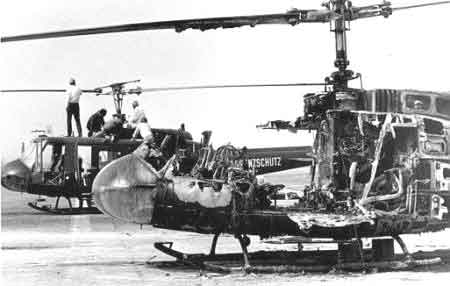
Pakistan's Parliament seems on track to impeach Musharraf. This, if it works well, is good news - Pakistan's civilian government hasn't been perfect, but it's better to forge a new relationship with a legitimate government than lose Pakistan moderates by clinging to an unpopular strongman. Of course, Musharraf (and the military), if they choose to fight it out, can shut down parliament, declare emergency law again, and throw the whole process for a loop. On the other hand, if this succeeds against the army's wishes, who knows how tight a leash the Pakistani government can keep on the army and ISI? Nevertheless, the US should do everything to ensure that Pakistan has a strong, legitimate government - we aren't ready for Kagan's nightmare.
Nuclear talks with Iran aren't progressing swimmingly, either. The risk-reward ratio is still skewed too far to justify a military attack, but this logic might not convince Israel. To go on a bit of a tangent, I consider an Israeli attack on Iran the worst of all possible options. Firstly, the political blowback in Iran and the wider Middle East would be just as catastrophic for the US - especially because geography necessitates we green-light any Israeli strike. However, there are so many nuclear sites in Iran (and Iran's air-defense network is well enough along) that a decisive blow against Iran's nuclear infrastructure would require the might of the USAF, not just the relative handful Israeli aircraft capable of reaching Iran's inland sites. I do not think such strikes are inevitable, though. I would, however, rate the Iranian chance of acquiring a bomb as higher than the chances there will be a conflict.
Subscribe to:
Posts (Atom)